
You might not realize it, but everyday choices—from the shoes you pick to how long you stand—can quietly harm your feet. Ignoring arch support or skipping foot care might seem harmless now, but these habits add up, leading to discomfort or worse over time. Before that nagging pain turns serious mobile podiatrist for elderly near me, it’s worth considering which common routines could be putting your feet at risk.
Wearing Ill-Fitting Shoes That Cramp Your Feet
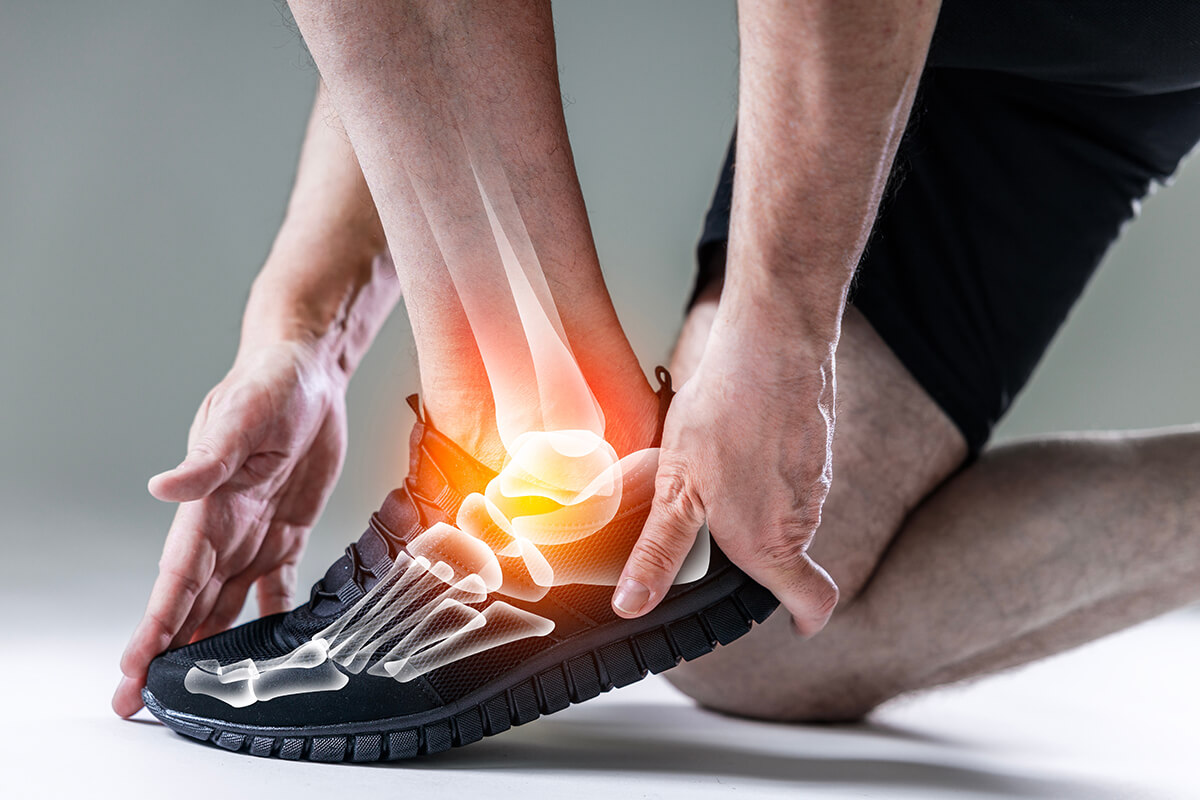
When you squeeze your feet into shoes that don’t fit right, you’re setting yourself up for pain and long-term damage. Those tight shoes restrict blood flow and put constant pressure on your toes and soles, leading to blisters, calluses, and even deformities like bunions.
You want freedom in your steps, but ill-fitting footwear traps your feet People Podiatry, limiting movement and comfort throughout the day. Choosing shoes that are too small or narrow doesn’t just hurt—it changes the way you walk, affecting your balance and posture.
To keep your feet healthy and free, pick shoes that let your toes wiggle and offer enough room to support your natural foot shape. Your feet deserve space to breathe and move, so don’t settle for anything less.
Ignoring Arch Support in Daily Footwear
Choosing shoes that fit well is only part of the equation; ignoring proper arch support can also lead to foot discomfort and long-term issues. When you skip arch support, your feet lose essential stability, causing strain on muscles and ligaments. This strain can lead to pain, fatigue, and even conditions like plantar fasciitis.
Your arches act like natural shock absorbers, so neglecting them forces other parts of your body to compensate, limiting your movement freedom. By choosing footwear with adequate arch support, you protect your feet’s natural structure and stay comfortable throughout your day. Don’t let poor support restrict your steps—prioritize shoes that honor your arches, and keep your feet feeling free and energized no matter where you go.
Walking With Poor Posture or Gait
Walking with poor posture or an uneven gait puts unnecessary stress on your feet and body.
When you don’t walk evenly, certain parts of your feet bear more weight than they should, leading to pain, calluses, and even long-term damage.
Your ankles, knees, and hips also take a hit because they compensate for the imbalance. You might feel tightness or discomfort without realizing it stems from how you move.
To protect your feet and maintain your freedom to walk comfortably, focus on aligning your head, shoulders, and hips. Take smooth, balanced steps, and avoid dragging or uneven strides.
Small adjustments can free you from hidden strain and keep your feet feeling light and strong every step of the way.
Standing for Long Periods Without Breaks
You often put a lot of strain on your feet if you stand for long periods without taking breaks. When you stay rooted in one place, your feet bear the full weight of your body continuously, leading to fatigue and discomfort.
This constant pressure can cause inflammation, swelling, and even contribute to conditions like plantar fasciitis. To protect your feet and maintain your freedom of movement, it’s crucial to shift your weight regularly and take short breaks to sit or walk around.
Stretching your calves and feet during these pauses helps improve circulation and reduces stiffness. By honoring your feet’s need for rest, you empower yourself to move freely and comfortably throughout your day without unnecessary pain or restriction.
Skipping Foot Hygiene and Moisturizing
Taking breaks to rest your feet is important, but what you do afterward matters just as much. Skipping foot hygiene and moisturizing can quietly sabotage your freedom to move comfortably. When you neglect washing your feet daily, sweat and bacteria build up, leading to unpleasant odors, infections, and skin issues.
Dry, cracked skin doesn’t just look rough—it can cause pain and limit your mobility. By washing your feet thoroughly and applying moisturizer, you maintain healthy, flexible skin that supports your every step. Make this a simple ritual to keep your feet feeling fresh and free, avoiding discomfort that can hold you back. Your feet deserve care, so don’t skip these small habits—they’re key to staying active and unrestricted.
Using High Heels Too Often
Wearing high heels too often can change your foot’s natural structure and cause lasting discomfort.
You’re also more likely to twist an ankle or suffer other injuries when you rely on heels regularly.
It’s important to understand these risks before making high heels your go-to footwear.
Impact on Foot Structure
Although high heels can elevate your style, relying on them too often can seriously alter your foot structure.
When you wear heels frequently, your toes get pushed forward, which squashes them into a cramped space. This constant pressure can cause bunions, hammertoes, and other deformities that limit your freedom to move comfortably.
Your arches also bear more weight than they’re designed for, leading to stiffness and pain. Over time, the natural alignment of your feet shifts, making it harder to wear flat shoes or go barefoot without discomfort.
Your feet were made to support and carry you freely—don’t let high heels trap them in an unnatural shape. Give your feet the space they need to stay strong and flexible by limiting how often you slip into those heels.
Increased Risk of Injury
The changes high heels cause in your foot structure don’t just affect comfort—they also raise your chances of injury. Wearing them too often forces your feet into unnatural positions, making you more vulnerable to accidents and long-term damage.
Here’s how high heels increase your injury risk:
- Ankle sprains – The elevated heel height destabilizes your balance, making it easier to twist an ankle.
- Stress fractures – Constant pressure on the balls of your feet can cause tiny cracks in the bones.
- Achilles tendon strain – High heels shorten this tendon, increasing the chance of painful tears.
- Toe deformities – Crowding your toes leads to bunions and hammertoes, which can be painful and limiting.
To keep your feet free and strong, limit high heel use and choose supportive footwear instead.
Wearing Socks That Don’t Breathe
You often overlook how much your socks affect your foot health. Wearing socks that don’t breathe traps moisture and heat against your skin, creating a perfect environment for bacteria and fungi to thrive. This can lead to unpleasant odors, itching, and even infections like athlete’s foot.
When your feet can’t breathe, sweat accumulates, causing skin to soften and become more vulnerable to blisters and irritation. Choosing socks made from natural fibers like cotton or wool, or high-quality synthetic materials designed for breathability, lets your feet stay dry and comfortable.
Neglecting to Stretch and Exercise Your Feet
You mightn’t realize how important foot flexibility is until stiffness or pain sets in.
When you neglect to stretch and exercise your feet, you increase the risk of injury and reduced mobility. Keeping your feet active helps maintain their strength and overall health.
Importance Of Foot Flexibility
Although feet carry your entire body weight daily, many people overlook the importance of keeping them flexible through regular stretching and exercise.
When you prioritize foot flexibility, you maintain freedom of movement, prevent stiffness, and support overall foot health. Here’s why you should care:
- Improved balance and stability keep you agile.
- Enhanced circulation speeds recovery and reduces soreness.
- Stronger muscles and tendons lower injury risk.
- Greater range of motion helps your feet adapt to different surfaces effortlessly.
Risks Of Foot Inactivity
When feet don’t get regular stretching and exercise, they quickly lose flexibility and strength. You might feel tightness, discomfort, or even pain that limits your movement. Neglecting foot activity can lead to poor circulation, muscle imbalances, and increased risk of injury.
Without proper care, your feet become less responsive, making everyday activities harder and stealing your freedom to move freely. Stretching and exercising your feet keeps them agile and resilient, supporting your body with every step. It also helps prevent conditions like plantar fasciitis and joint stiffness.
Don’t let inactivity trap you in discomfort—make foot care a priority. By staying active and flexible, you ensure your feet carry you confidently through every adventure life offers.
Relying on Worn-Out Shoes for Daily Use
Worn-out shoes can sneak up on you, gradually losing their support and cushioning. When you rely on them daily, your feet pay the price. Old shoes can lead to pain, instability, and even injury, restricting your freedom to move comfortably.
To keep your feet happy and free, watch for these signs:
- Flattened soles that no longer absorb shock.
- Uneven wear patterns causing imbalance.
- Loss of arch support leading to strain.
- Cracked or compressed insoles that don’t cushion.
Don’t let worn-out shoes hold you back. Swap them out regularly to keep your feet protected and your steps light.
Your feet deserve gear that supports your active lifestyle and lets you roam free without pain or limits.
Ignoring Early Signs of Foot Pain or Discomfort
You might brush off mild foot pain or discomfort as nothing serious, but those early signs are your body’s way of warning you.
Ignoring them can lead to more severe issues like chronic pain or structural damage.
Paying attention now helps you avoid long-term problems down the road.
Recognizing Early Warning Signs
Often, people overlook the subtle signs of foot pain or discomfort, brushing them off as minor annoyances. But if you want to keep your feet healthy and free, recognizing these early warning signs matters. Pay attention to:
- Persistent aches after standing or walking, signaling strain.
- Redness or swelling, which could indicate irritation or inflammation.
- Numbness or tingling sensations, suggesting nerve issues.
- Changes in foot shape or difficulty moving toes, hinting at structural problems.
Consequences of Ignoring Pain
Ignoring early signs of foot pain can lead to more serious problems down the line. When you dismiss discomfort, you risk worsening injuries that could limit your mobility and freedom. Pain is your body’s way of signaling trouble, and ignoring it only allows damage to deepen.
What starts as a minor ache might evolve into chronic conditions like plantar fasciitis or stress fractures. These issues can confine you, making it harder to enjoy activities you love. By paying attention to pain early, you can address problems before they escalate, preserving your ability to move freely.
Don’t let stubbornness or neglect steal your independence—listen to your feet and act promptly to stay active and unrestricted.
Conclusion
You can protect your feet by choosing well-fitting shoes with proper arch support and replacing worn-out pairs regularly. Pay attention to your posture and take breaks if you stand long hours. Keep your feet clean and moisturized, wear breathable socks, and don’t skip stretching or exercise. Most importantly, listen to early signs of pain or discomfort—addressing issues early prevents chronic problems. Your feet carry you every day, so care for them wisely!


